By: Vivian Vasallo and Arielle Burstein

- Missed or unpaid bills
- Trouble managing a checkbook
- Unusual purchases
- Confusion about bank statements
- Lack of awareness of mistakes
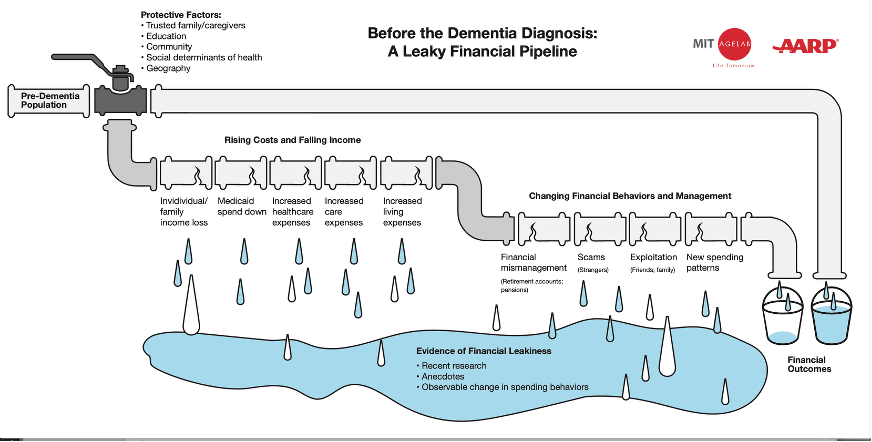
We’ve all forgotten to pay a bill, lost track of a subscription or splurged on something we didn’t really need. But what happens when these mistakes become more frequent, more erratic, or go unnoticed entirely? And what if it’s not happening to us, but a parent or a loved one who’s reluctant to talk about their finances? These early signs can be easy to miss, or easy to dismiss, especially when money is a sensitive topic. As scientists make major strides in the early detection of Alzheimer’s—including the recent approval of the first blood test to diagnose the disease1 — a new window of opportunity is opening: one where subtle, non-medical signs may help spot risk earlier. Among the most promising? A person’s financial habits.

Limit Alcohol
Keep your brain healthy by limiting alcohol.

Don’t Smoke
Smoking increases the risk of heart attacks.